The Best Window Coverings for a Zionsville Kitchen Sink Window
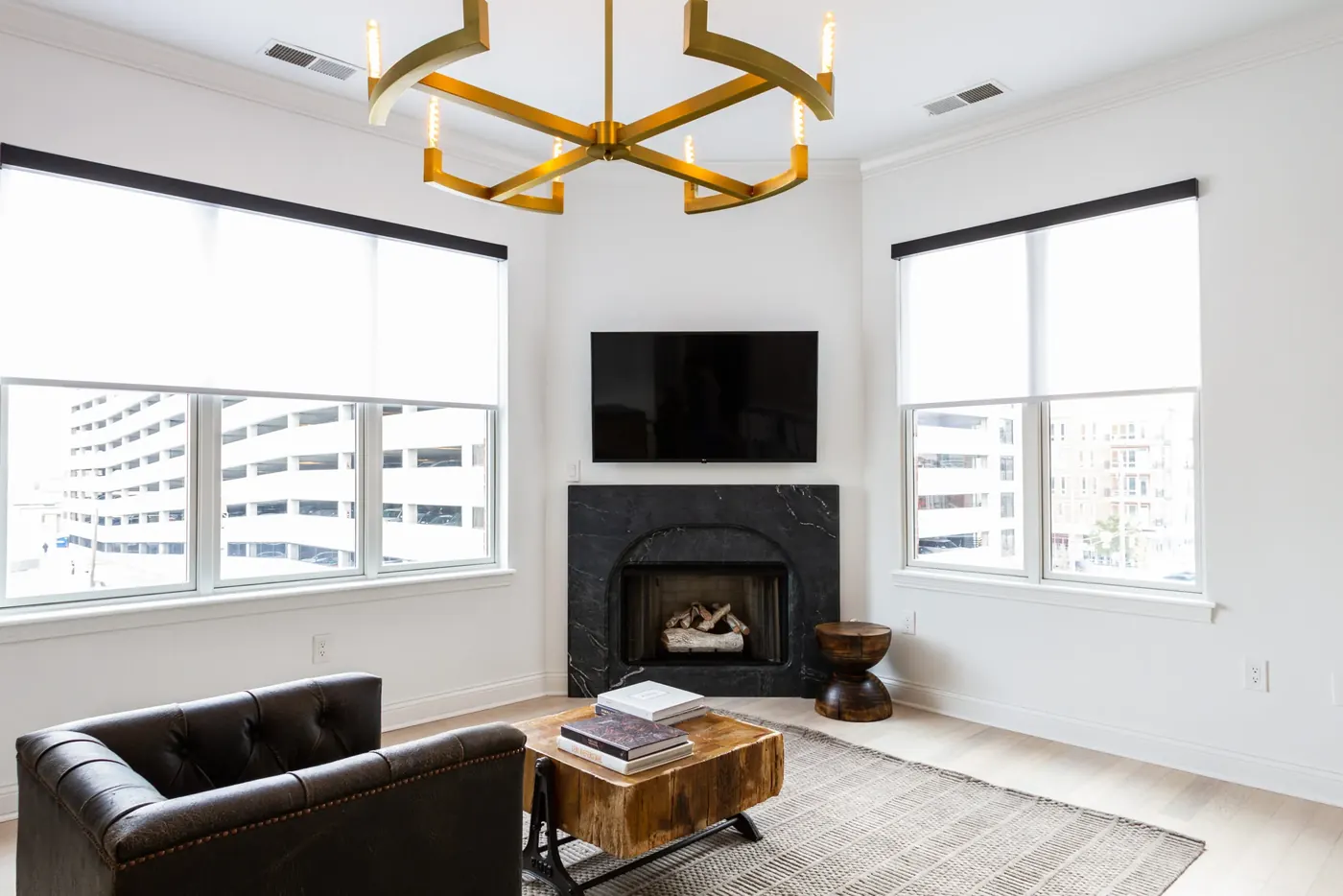
Two shades can look nearly identical on a showroom wall and behave completely differently after a year over a tub or a stove, and the difference almost always comes down to what they're actually made of.
How Humidity Changes What You Should Hang
Not every material reacts to humidity the same way, and understanding why helps explain the recommendations instead of just following them blindly. Wood is a natural, porous material, so it absorbs and releases moisture as humidity swings, expanding and contracting with every cycle until the finish cracks or the slat itself warps out of true.
Faux wood is a PVC or composite core, which is effectively waterproof at the material level. It doesn't absorb anything, so a humidity swing that would eventually damage real wood does nothing to a faux wood slat beyond maybe a slightly cooler surface temperature. That's the entire explanation behind why faux wood dominates bathroom recommendations in Zionsville and everywhere else, it's chemistry, not marketing.
The Trouble With Windows Over a Sink or Tub
The window over the kitchen sink is often the one window in the house that gets touched every single day, which means whatever hardware is on it needs to hold up to constant use, not just look good on install day. A cord or chain hanging down near a sink full of dishes and running water is asking for trouble, both from wear and from getting caught on something.
Cordless lift solves the daily-use problem directly, since there's nothing dangling to catch on a faucet or a dish rack. For a Zionsville kitchen where the sink window also happens to be the main light source over a prep area, a shade that's easy to raise fully out of the way during the day and drop for privacy at night earns its keep fast.
This is also where cost and convenience overlap in a useful way. A cordless roller shade over the sink is usually one of the least expensive upgrades in the whole kitchen, since it's a single window with straightforward dimensions, which makes it a reasonable place to start if you're tackling the room's windows one at a time.
Getting Privacy Without Losing the Light
One thing that doesn't fail the same way is a well-chosen privacy fabric or a frosted film, since neither depends on a rigid material staying perfectly straight the way a slatted blind does. A shade fabric that's slightly relaxed or a film that's been in place for years still does its privacy job even as other parts of the room wear.
That's worth remembering when a Zionsville homeowner is comparing wood blinds against a shade or film option for a bathroom window on looks alone. The wood might win on a showroom floor, but the shade or film is the one still doing its job without complaint five years into daily steam exposure.
The same failure pattern shows up on frosted film eventually too, though on a much longer timeline. Cheap film can start to bubble or lift at the edges after years of steam exposure, while a properly applied, higher-quality film tends to stay put for the life of the window without needing attention.
Hardware That Doesn't Rust or Swell
Whatever privacy solution gets chosen, the hardware holding it in place needs to survive the same steam exposure the fabric does. A top-down bottom-up mechanism has more moving parts than a basic roller, which means more metal components exposed to humidity over time.
Stainless steel components and sealed housings handle that exposure without seizing up or rusting, which matters more on a mechanism with moving parts than it does on a simple bracket. Confirming this at the time of ordering saves a Zionsville homeowner from a shade that looks great for a year and then starts sticking.
Even a well-chosen mechanism benefits from an occasional check, especially in the first year. A quick look to confirm nothing's binding or sticking catches a developing problem while it's still a five-minute adjustment instead of a full hardware replacement down the road.
The clearest way to know what will actually hold up on a specific Zionsville window is to have it measured and looked at in person. A free in-home measure from Zionsville Window Treatments can walk the bathroom and kitchen windows together and flag which materials make sense for each one.
Keeping Grease and Steam From Ruining a Shade
In a kitchen, the window over the sink usually sits close enough to cooking that airborne grease eventually settles on anything nearby, including a fabric shade. Grease and fabric shades don't mix well over time, since grease attracts dust and the combination is genuinely hard to clean out of a woven texture.
Steam does something similar in a bathroom, less about grease and more about moisture settling into fabric fibers and, if it happens often enough without good ventilation, encouraging mildew. A vinyl-faced or PVC-based shade wipes clean with a damp cloth in both rooms, which is most of why they turn up so often in kitchen and bathroom recommendations over anything with a soft, absorbent texture.
Frequently Asked Questions
Can I put real wood blinds in a bathroom if I have a good exhaust fan?
A strong exhaust fan helps, since it pulls humid air out faster and shortens how long the wood is exposed to it after every shower. It doesn't eliminate the risk entirely though, since even a well-ventilated bathroom still swings through a humidity spike every time the shower runs. Faux wood remains the safer choice for a full bathroom, with real wood better suited to a powder room or half bath that doesn't have a shower or tub in it at all.
What's actually the difference between faux wood and real wood blinds?
Faux wood is a PVC or composite material formed and finished to look like painted wood, while real wood blinds are milled from actual basswood or a similar hardwood. Faux wood is heavier per slat and doesn't absorb moisture, which is why it holds up in bathrooms and kitchens where real wood eventually warps. Real wood is lighter and generally considered to have a warmer, more natural look, which is why it still gets chosen for dry rooms like a living room or dining room.
Is it worth paying more for a wipeable or vinyl-faced shade in the kitchen?
For a window near the stove or sink, yes, generally. The time saved on cleaning and the years added to the shade's life usually outweigh the modest price difference over a comparable fabric shade. For a kitchen window farther from cooking, like one over a breakfast nook away from the range, a standard fabric option is less likely to run into the same grease problem and the upgrade matters less.
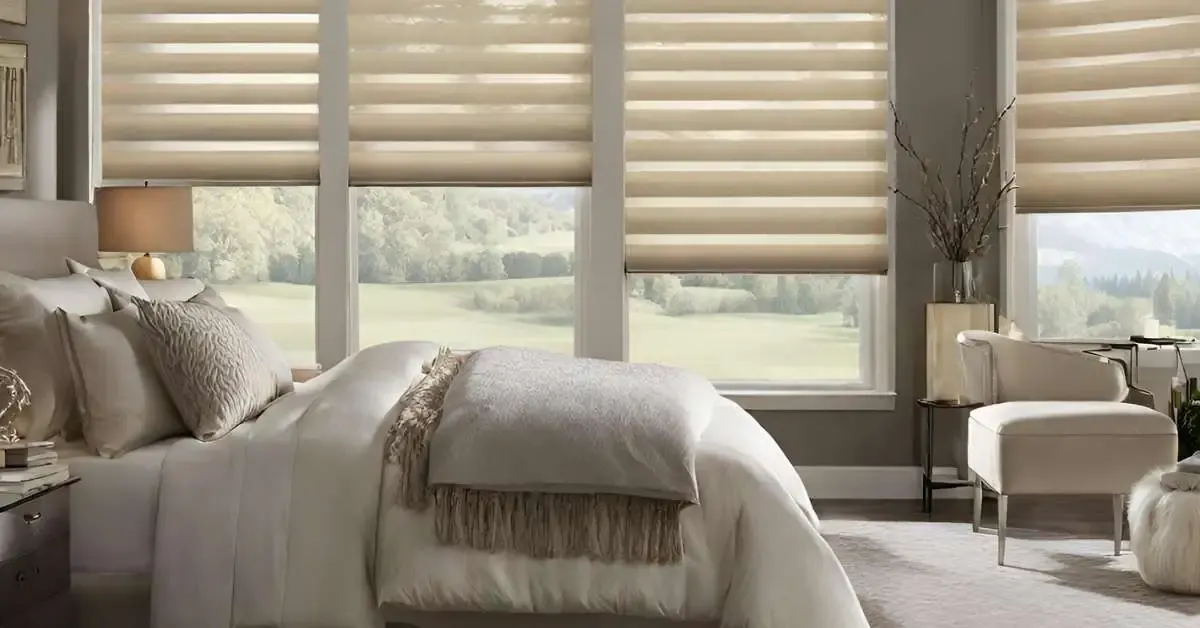 Motorized or Manual: Choosing Shades for a Bay or Bow Window
 Should You Measure Your Own Windows in Zionsville, or Book the Free Measure?
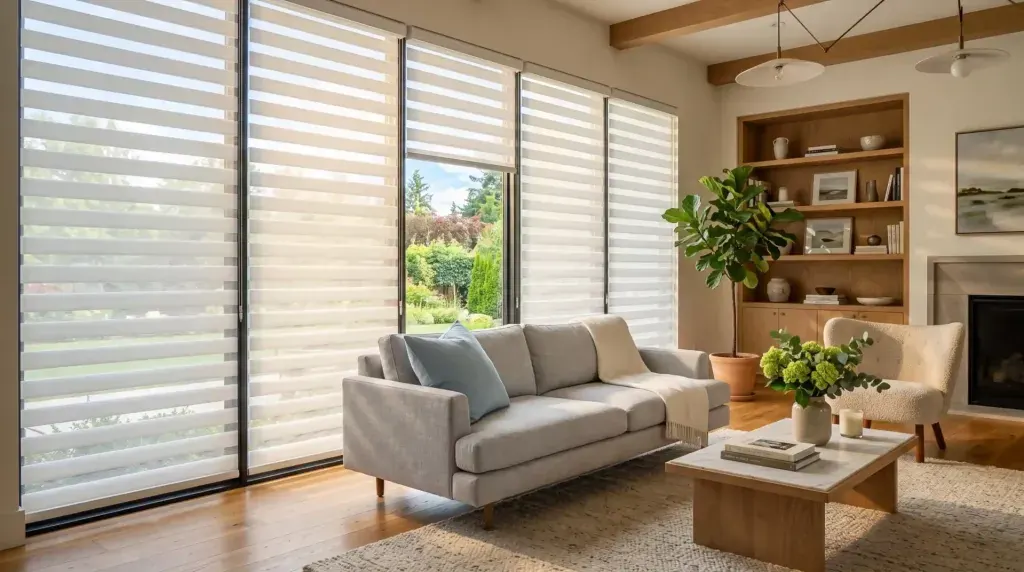 What It Costs to Address Drafty Windows in Zionsville