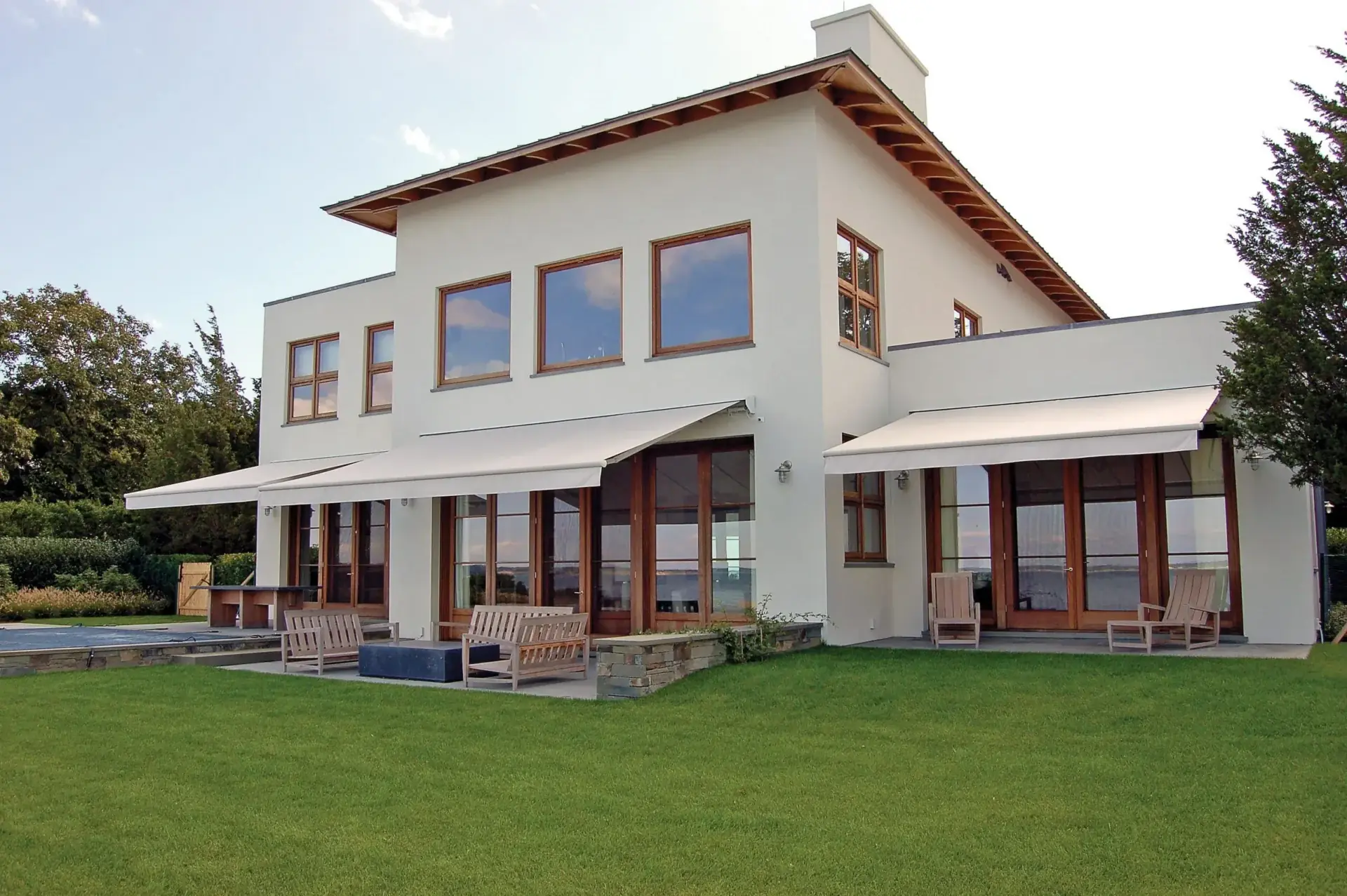
Custom Window Treatments in Zionsville, Indiana
Blinds, shades, shutters and drapery measured in your Zionsville home. Century old fabric off Main Street and fairway elevations in the newer sections need different answers, and we measure for yours.
If we're busy with another customer and miss your call, leave a message and we'll call you back.
Short version for Zionsville homeowners: we measure your openings in person, order custom fabrication to those numbers, and install it. Most orders take two to five weeks to build. The questions below cover what people ask before they get that far.
- Services: faux wood blinds, wood blinds, vertical blinds, aluminum mini blinds
- Service area: Zionsville, Boone County, IN and surrounding areas We schedule measures promptly and we're honest about what comes after. Your product is manufactured to your dimensions, which takes weeks rather than days, and that applies to every custom line we sell.
- Insured and bonded
- Serving Zionsville, IN since 2008
Schedule Your Free In-Home Measure
The in home measure is an appointment rather than a walk through. Every opening gets three widths, three heights and a diagonal, and mounting depth gets confirmed at the stop against the specific product line, because cassette, tube and headrail depth all differ. In a Stonegate house at the subdivision's typical 5,243 square feet, with below grade openings on top of that, it takes a couple of hours before anyone opens a fabric book.
I agree to be contacted by Zionsville Window Treatments regarding my inquiry.
Zionsville is two different window jobs sharing one ZIP code. In the Village, 77 structures have been recognized as at least a hundred years old, the oldest commercial building on Main Street dates from 1854, and a house on Cedar or Pine gives you eight to eighteen openings of which almost none repeat. Four miles out, 43.5 percent of the town's housing went up between 2000 and 2019, and a Stonegate or Holliday Farms elevation can carry forty openings that also don't repeat, for the opposite reason. We measure both. What we won't do is carry a number from one house to the other.
Product range is wide enough that the useful question isn't what we carry, it's what belongs in the room. Cellular shades where you want insulating value at the opening. Solar shades where you want to keep the view and cut the glare. Faux wood blinds where moisture is in play. Hardwood where the weight and the stain matter more. Shutters where you want louver control that stays with the Zionsville house when you sell it.
Two to five weeks is the number to plan around. If you've got a house full of bare windows in Zionsville and family coming, tell us at the measure and we'll be straight about what's achievable. Some lines are faster than others and a stock-size temporary shade can bridge a gap. What we won't do is promise a date that depends on a factory having a light week.
Built in the Last Few Years?
Many of our Zionsville customers moved into a house built by one of these companies. Builder blinds are usually stock sizes trimmed to fit, so if yours came with the house and never ran right, that is why. We measure the openings as built rather than off the plan.
Named for identification only. Zionsville Window Treatments is an independent company and is not affiliated with, endorsed by, or acting as a representative of any homebuilder listed.
What Matters at the Window in Zionsville
What our crew has learned working in Zionsville homes.
About Zionsville Homes
Zionsville's median house dates to 1999. Build era shares on the parcel record run pre-1940 3.7%, 1940-1979 20.6%, 1980-1999 27.3%, 2000-2019 43.5%, 2020+ 4.8%. Median home value is $587,800. Two extremes and almost no middle. Village houses have deep applied casing and real jamb depth but frequently irregular reveals and plaster returns. The 1990s and 2000s custom stock generally has generous casing and good inside mount depth. The small 2020-onward tier tends toward drywall return jambs even at high price points. INFERRED from build era distribution and prevailing practice. Queen Anne, Victorian vernacular, bungalow and American Small House in the Village core; 1970s rural ranch and two story on acreage across the former Eagle and Union township area; 1990s and 2000s custom and semi custom brick two story on quarter- to one acre lots; 2018-onward luxury custom in. Typical opening count: Very high in the modern stock and very awkward in the old.
Where We Work in Zionsville
We cover homeowners across Zionsville near the brick Main Street in the Village, SullivanMunce Cultural Center, Zionsville Town Hall and Lincoln Park, The Club at Holliday Farms, Creekside Corporate Park, Zionsville Community High School.
Surrounding Areas We Serve
Our crew also covers The Village, Holliday Farms, Stonegate, Cobblestone Lakes, Brookhaven, Austin Oaks, Colony Woods, Eagles Nest, Vonterra, Promontory.
Recent Weather Patterns
Central Indiana sits in IECC climate zone 5A, which means a real cooling load and a real heating load on the same window. NOAA's 1991-2020 normals for Indianapolis put the July average high at 85.2F, the January average high at 36.1F and the January average low at 20.9F, with the muggy season running May 25 to September 22. Zionsville has the deepest and best documented canopy of these five towns. It was recognised for 25 consecutive years as a Tree City USA in 2026 - fifteen years longer than Brownsburg's ten.
What Our Crew Sees in Zionsville
The highest probability of specialty shapes of these five towns, at both ends. In the Village: transoms, arched head windows, bays and turret glass on Queen Anne houses documented as having 'asymmetrical designs, wrap around porches, towers.' In the estate stock: two story great room walls, palladians, arched transoms, and mulled assemblies. Active new construction includes Holliday Farms.
Who Actually Turns Up in Zionsville
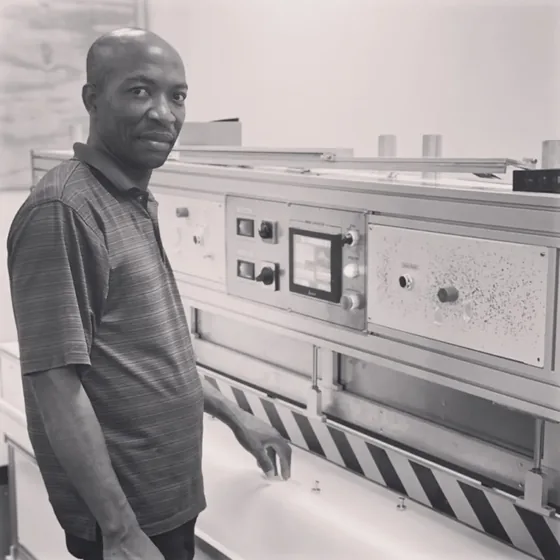
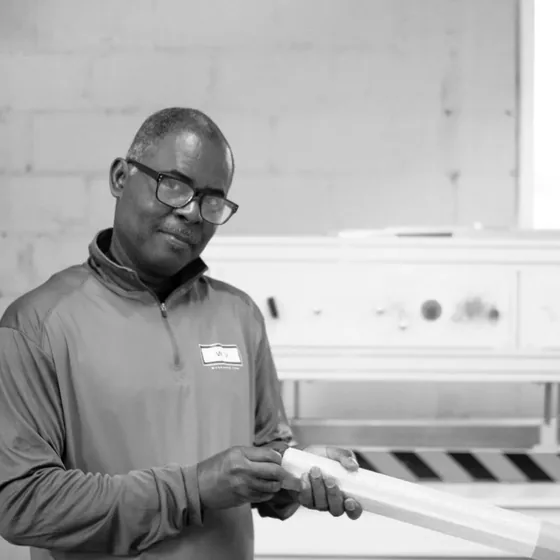
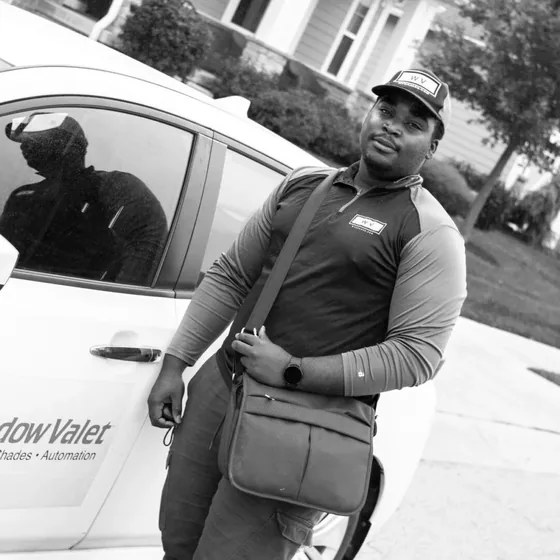
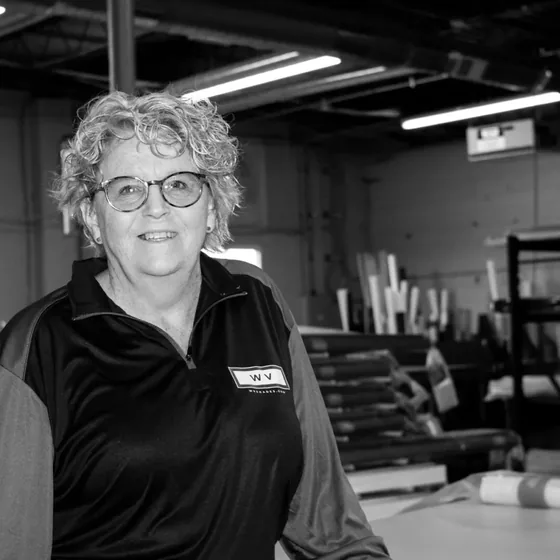
The same people measure, order and install. Customers name them in reviews, which is the point: you are not getting a subcontractor you have never heard of.








What We Are Running in Zionsville Right Now
Both offers apply to work quoted and ordered while they are posted here. Ask about them at the in-home measure and we will put the discount on the written quote before you decide anything.
$500 Off Your First Exterior Screen, Plus a Free Motorization Upgrade
Take $500 off your first exterior screen and we will add the motorization upgrade at no charge. Exterior screens stop solar heat outside the glass, which is the only place you can stop it before it is already in the room, and a motor is the difference between using one and forgetting it.
Applies to a first exterior screen. Ask at the measure so the discount is on the written quote before you order. Motorized product runs on batteries that need replacing, about a year on Hunter Douglas PowerView.
Ask about this offerFree Motorization Upgrade on Select Interior Shades
Pick from the qualifying interior shade lines and the motorization upgrade is free. It is worth most on the openings you would otherwise leave alone: tall great room glass, anything above a stair, and the west windows nobody remembers to close by four.
Select interior shade lines only. We will tell you at the measure which of your openings qualify. Batteries are a real running cost and are not included.
Ask about this offerPayment Options That Work for You
Your Zionsville Window Treatments project lead will walk you through every financing option during the assessment. Terms in writing, no pressure, no surprise charges.
Start the work now and begin paying later. On a whole-house order this is how people phase a large job without phasing the install.
- Payments deferred for a promotional period
- Rate and period set by the lender
- Quoted price held for the order
Divide the project cost into equal monthly payments across a fixed promotional period, so the budget is predictable from day one.
- Equal monthly payments
- Fixed promotional period
- Simple, predictable budgeting
Spread a larger window treatment project across a longer term with fixed equal payments, for homeowners who want the lowest monthly amount.
- Extended terms available
- Fixed equal payments
- Suited to larger window treatment projects
Financing is arranged through third party lenders and is subject to credit approval. Rates, terms, and promotional periods are set by the lender and disclosed to you in writing before you sign. Ask your project lead which programs are open right now.
Window Treatment Services for Zionsville Homes
From one room to a whole house, Zionsville Window Treatments measures every opening, orders it custom, and installs it with the same crew that took the measurements.
Faux Wood Blinds in Zionsville
Cordless lift on faux wood removes the hanging pull entirely, which matters in a Zionsville house with a toddler or a cat that climbs. Inner-cord non-compliance is treated as a substantial product hazard under 16 CFR 1120.3, and what we're hanging conforms to ANSI/WCMA A100.1-2022.
Learn moreWood Blinds in Zionsville
A heated Zionsville house in January runs dry, and dry air pulls moisture back out of wood. Over years that shows up as a slightly tighter stack and occasionally a hairline check in the finish at a slat end. It isn't failure, it's the material breathing.
Learn moreVertical Blinds in Zionsville
When a vertical fails it's almost never the whole blind. A single vane cracks at the hole or a carrier stops rotating, and both are replaceable. Keep the model information from your Zionsville order, because a matching vane five years out depends on it.
Learn moreAluminum Mini Blinds in Zionsville
Through the muggy months from late May into late September, aluminum does nothing at all. It doesn't swell and it doesn't cup. That's why it lives comfortably in a Zionsville basement or a laundry where a wood product would be a mistake from the first summer.
Learn moreRoller Shades in Zionsville
A year from now the fabric may still be in the line, and the dye lot definitely won't be the same. For a Zionsville room where shades sit side by side, that difference shows in daylight. Order every opening in the room at once and skip the problem.
Learn moreSolar Shades in Zionsville
A solar shade is a woven screen, and the openness factor is the percentage of that weave which is open air. One percent is nearly opaque and kills glare. Ten percent keeps your Zionsville view almost intact and cuts far less. Everything else you'll be shown sits on that line.
Learn moreCellular Shades in Zionsville
Two to five weeks is normal. Cellular fabric comes off dye lots, and whites drift between runs more than people expect. Add a shade to a Zionsville room a year later and it'll read slightly different beside the originals in flat daylight.
Learn moreZebra Shades in Zionsville
Zebra and dual shades for Zionsville homes. Alternating sheer and solid bands that line up for a view or offset for privacy, in light filtering, room darkening and blackout tiers. One product doing two jobs on the same window.
Learn moreRoman Shades in Zionsville
Motorized Romans work well because the lift is slow and controlled, which is kinder to the folds than a hand pull. Batteries run about a year on Hunter Douglas PowerView, and a heavy interlined shade on a tall Zionsville window won't be the one that goes longest.
Learn moreWoven Wood Shades in Zionsville
There's no dye lot to match on a woven wood, which sounds like good news and isn't. Each run comes from different material. A second shade for a Zionsville room a year later will be visibly its own thing, and no supplier will promise otherwise.
Learn moreBlackout Shades in Zionsville
For blackout we measure the wall, not just the opening. An outside mount needs overlap on every side and room above for the roll, and in a Zionsville bedroom with trim running tight to a corner that overlap's the constraint the whole design works around.
Learn morePlantation Shutters in Zionsville
Shutters have no cords and there's nothing hanging at all, which makes them the simplest answer to the whole child and pet question. Inner-cord non-compliance is a substantial product hazard under 16 CFR 1120.3, and a shutter removes the subject from a Zionsville nursery entirely.
Learn moreCafe Shutters in Zionsville
Custom lead time runs two to five weeks, and cafe shutters get built to your divide height for that one opening. Paint batches shift between orders, so if two Zionsville windows in the same room are getting them, they'd better be on a single order.
Learn moreMotorized Shades in Zionsville
A shade bought online and paired to an app isn't the same product as one measured for your opening. The motor is only as good as the bracket holding it, and a Zionsville install that sits out of level will bind a tube no matter what the app says.
Learn moreCustom Drapery in Zionsville
National ranges put custom drapery somewhere between $300 and $4,000 per window, which is wide because the category is wide. Two panels of a simple linen and an interlined treatment with real hardware aren't the same purchase, and a Zionsville quote says which one you're looking at.
Learn moreValances & Top Treatments in Zionsville
Top treatments are fabricated to order like any other soft goods, so you're looking at two to five weeks. A Zionsville cornice also needs the shade underneath decided first, because the return depth depends on it and reordering a board because the roller got thicker is avoidable.
Learn moreExterior Solar Shades in Zionsville
Wind is what kills these, and it isn't sun. An exterior shade left down in a Zionsville thunderstorm becomes a sail attached to your house, so every install gets a retract habit, and automated units get a wind sensor that overrides the schedule and takes the fabric up.
Learn moreRetractable Awnings in Zionsville
Plenty of Zionsville neighborhoods regulate what hangs off the back of a house, including projection and color. Read the covenants before the order goes in, because a custom acrylic that your association turns down isn't returnable and the frame is already sized to it.
Learn moreCommercial Window Treatments in Zionsville
Coordination with other trades decides the sequence. Shade brackets want to land after ceilings and before final finishes, and a Zionsville project that installs too early collects damage while one that installs too late fights everybody else for the same space. We'll get into the schedule early.
Learn moreSkylight Shades in Zionsville
The long-term cost on a skylight shade isn't the shade, it's getting back up to it. Battery service on a Zionsville overhead unit may mean a tall ladder in a stairwell, so we plan for that at the quote rather than discovering it in year two.
Learn moreSliding Glass Door Blinds in Zionsville
A door treatment gaps at the edges like any other. Lutron publishes 3/4 inch per side on the Roller 20/64 with a 1/16 inch per side factory deduction, and across a wide Zionsville slider those two bright lines are more visible than they'd be on a small window.
Learn morePanel Track Blinds in Zionsville
Panel track doesn't seal an opening, so it won't do much about a January draft. If a Zionsville room needs help with the cold coming off a large door, the honest answer is a cellular product or a lined fabric layer, and we'd rather say that than oversell the panels.
Learn moreSheer Shades in Zionsville
Sheer shades for Zionsville front rooms. Fabric vanes suspended between two sheers, so you get daylight through the face and privacy when the vanes close. They are the answer when a room needs to look open from inside without being open from the sidewalk.
Learn morePleated Shades in Zionsville
National pricing puts stock shades between roughly $60 and $600 per window while custom work runs $250 to $2,600, and pleated sits toward the friendlier end of custom, which isn't nothing. For a Zionsville house with a lot of secondary windows, that gap is what makes covering all of them possible.
Learn moreBamboo Shades in Zionsville
NFRC attributes 40 to 60 percent of fading damage to UV, and natural fibers lighten in strong sun rather than going dull. A Zionsville west window will pull the color out of a dark bamboo faster than you'd expect, so we'd steer you toward a lighter tone there from the start.
Learn moreDual Shades in Zionsville
Continuous cord loop operation on these needs a chain tensioner anchored to the wall, and that anchor isn't optional. Inner-cord non-compliance is a substantial product hazard under 16 CFR 1120.3, and in a Zionsville house with young kids a cordless or motorized version is the cleaner answer.
Learn moreTop-Down Bottom-Up Shades in Zionsville
Cordless top-down bottom-up removes every loop from the window, which is the right specification in a Zionsville house with small kids. Inner-cord non-compliance is a substantial product hazard under 16 CFR 1120.3, and this configuration didn't always come cordless.
Learn moreCordless Blinds in Zionsville
Cordless blinds across Zionsville. No lift cord, no continuous loop, nothing hanging within reach. Inner-cord non-compliance is a substantial product hazard under 16 CFR 1120.3, and cordless lift removes the question entirely in homes with young children or pets.
Learn moreHardwood Shutters in Zionsville
Hardware is the part that fails and the part that's easy to address. Hinges, magnets, catches and tilt rods are all replaceable items, and a sound hardwood panel outlives several rounds of them. That's why a repair on a ten year old Zionsville shutter usually stays a repair.
Learn moreComposite Shutters in Zionsville
For a Zionsville rental or a property that turns over, composite is the pragmatic specification. It survives cleaning between tenants, it doesn't stain from a leaning wet towel, and there's no cord for a new occupant's child to reach. Panels get wiped down rather than restrung.
Learn moreSmart Home Shade Integration in Zionsville
Bring the installer the network, not just the shades. Guest networks, a router that isolates devices, or a mesh system that shuffles bands can all stop a hub from finding what it's supposed to find. We sort that out on the Zionsville site rather than blaming the shades.
Learn moreBlind Repair & Restring in Zionsville
Commercial and multi-unit repairs run on their own logic. A Zionsville property manager usually wants a standing spec so replacements match what's already installed, plus a repair-first policy on anything with a working headrail. We document what we find unit by unit and price the project accordingly.
Learn moreShutter Repair in Zionsville
Frames separate at the corners over time, especially where a Zionsville opening has moved with the house. A gap opens at the miter and the panel stops meeting the stop cleanly. Reglue and refasten usually solves it, though a badly out-of-square opening won't stop pulling at that same corner.
Learn moreMotorization Retrofit in Zionsville
Access shapes the day. A high Zionsville stairwell shade means ladder work over stairs, which is slower and needs the space clear. We'd rather schedule realistically for that opening than squeeze it between two easy rooms and rush the part that's actually difficult.
Learn moreOutdoor Patio Shades in Zionsville
There's a house we'll tell to skip these. An unprotected west wall with no cover overhead, on an open Zionsville lot with nothing breaking the wind, is a hard place to keep an exterior shade alive. An interior solar shade with a high performance fabric is the sane answer there.
Learn moreOffice Window Treatments in Zionsville
Zoning follows the sun, not the floor plan. Shades grouped by exposure act sensibly, so the south glass in a Zionsville office drops together in early afternoon while the north bank stays open. Grouping by department produces constant overrides and a system people won't use.
Learn moreHealthcare Window Treatments in Zionsville
Lead time on a large order exceeds the typical two to five week custom schedule, because quantity occupies production. A Zionsville project needs the shade package treated as a long-lead item in the construction schedule, and not as a finish that's ordered once the walls are painted.
Learn moreMultifamily Window Treatments in Zionsville
Submittals still apply on new construction. A Zionsville general contractor should expect product data, fabric samples, bracket details and flame propagation test documentation where the occupancy requires it, reviewed and approved before fabrication rather than assembled after the first delivery's already on site.
Learn more
Local Expertise, Real Results
In a town where 24.3 percent of the housing predates 1980 and only 4.8 percent is newer than 2019, the diagonal check settles more quotes than the fabric book does.
Based in central Indiana and serving Zionsville and Boone County, Zionsville Window Treatments sells and installs custom blinds, shades, interior shutters, drapery and motorized window treatments. We work by appointment at your house because the windows are there and the decisions can't honestly be made anywhere else. Mounting depth, square and obstruction are things you confirm at the opening or you guess at.
Zionsville is a town of 33,624 people in Boone County, and it's the size it is because of a merger rather than an annexation. In 2010 it reorganized with Eagle and Union townships under Indiana's Government Modernization Act, taking on roughly 12,000 residents and about 50 square miles of mostly rural ground. That's why a town with a median owner occupied value of $587,800 also has 20.6 percent of its housing built between 1940 and 1979, with 10.9 percent of all units dating from the 1970s alone. The address book here runs from a rural ranch on acreage to a $3.65 million house on five acres at Promontory, and both of those are Zionsville.
The work itself is straightforward to describe and unforgiving to do badly. We measure in your house, order custom fabrication, and install. Every opening gets three widths, three heights and a diagonal check, and on an inside mount it's the narrowest width and the longest height that go on the order. That sounds fussy until you're standing in a house off Main Street where the head, the middle and the sill of one opening give three different numbers. Residential work over $150 goes on a written contract under Indiana Code 24-5-11 carrying the scope, the start and completion dates and the total price. Indiana issues no statewide license for this trade, so we don't use the word.
Our Promise
You'll have the measurement deviations, the light gap in inches, an honest lead time and the battery arrangement in writing before anything gets ordered. Where an opening can't carry an inside mount, we say so at the measure rather than after the product arrives.
Why Zionsville Homeowners Stop Shopping Here
Serving Zionsville and Boone County with quality materials, thorough inspections, and transparent pricing.
We read the ordinance, not the rumor
Nearly everyone assumes the Village sits inside a historic district with a certificate of appropriateness attached. It doesn't. The codified Zionsville code, current through Ordinance 2025-08 of 17 March 2025, contains no preservation commission, no historic district and no certificate of appropriateness anywhere, and Zionsville isn't on Indiana DNR's Certified Local Government list. What does bind is zoning, specifically section 194.062 on the Main Street commercial frontage. We can tell you which part of your job that section actually touches and which part it doesn't.
Two playbooks on one visit
A house on Hawthorne Street from around 1900 and a house on Hamilton Run from 2023 need different tolerances and different promises. The old one gets three point measured with the deviation written onto the order and an outside mount recommended where the diagonal calls for it. The new one gets mounting depth confirmed opening by opening, because deep masonry reveals and minimal frame detailing can change within a single room. Nothing learned at one transfers to the other.
Custom stock has no catalog
Austin Oaks put up close to 270 one off houses between 1997 and 2002. Stonegate ran 378 custom houses recorded 2004 to 2018 across sections that don't share detailing. Promontory is fully custom on 2 to 5 acre lots. In all three, nothing is a catalog size and a quote doesn't transfer from your neighbor's house to yours. Eagles Nest and Cobblestone Lakes are the exceptions in this town, and we'll tell you at the measure which side of that line you're standing on.
The bad news arrives before the order
Inside mount light gaps go on the quote in inches. Battery life gets said out loud, because Hunter Douglas puts PowerView at about one year. Dye lots get explained before you decide to add a window next spring. Winter condensation behind a tight inside mounted blackout fabric is a genuine service call in this climate, and February is the wrong time to hear about it for the first time.
Real Jobs. Real Results.
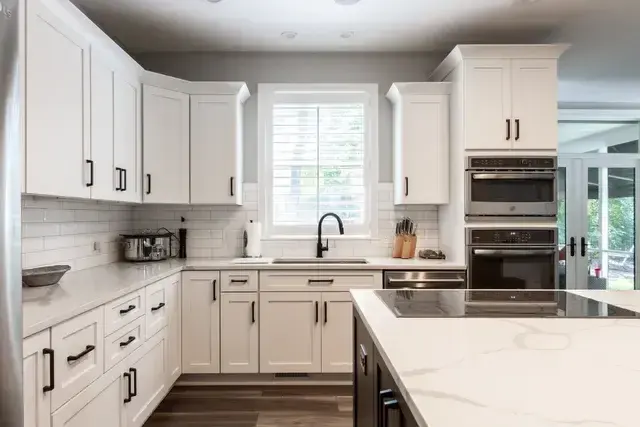
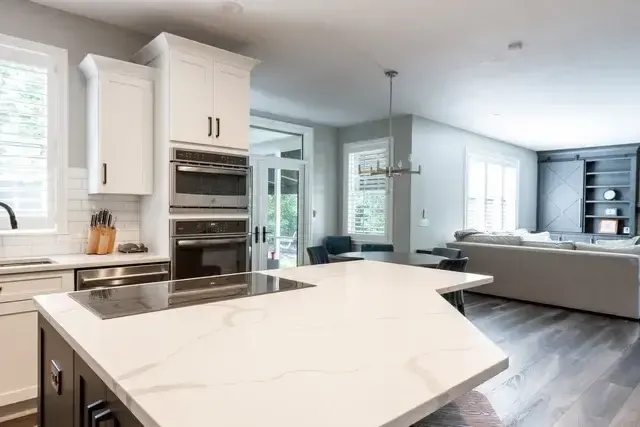
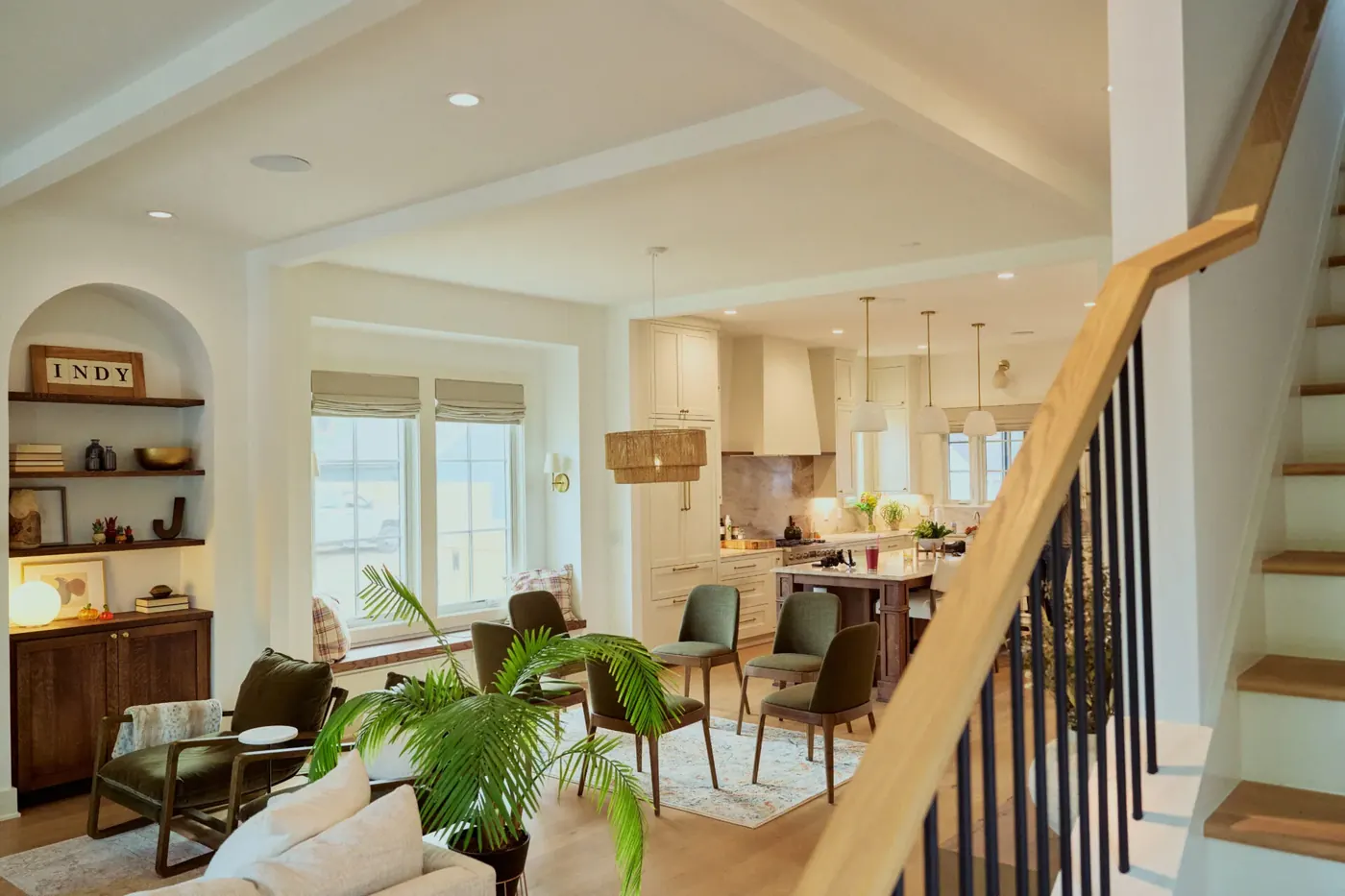
Photos from recent window treatment projects completed by the crew that measured them across Zionsville and Boone County. Every project is documented with photos and a written closeout package.
How We Handle Add-On Rooms in Zionsville
The order of operations is fixed here, and skipping a step is what produces a remake six weeks later. On a Zionsville job the first two steps carry nearly all of the risk, because the measure decides whether an inside mount is even possible and the specification decides whether the room actually goes dark. Everything after that is logistics.
Measure and square check
Three widths, three heights and a diagonal on every opening, with mounting depth confirmed at the stop against the product line being quoted. Where the diagonal shows an opening is out of square beyond tolerance, we convert it to an outside mount and tell you then, not later. Existing conditions get photographed before anything is removed, which matters most on the pre-1930 fabric in the Village.
Specify against the room
Material comes off humidity, not price: composite and poly where the room gets wet, hardwood only where it stays conditioned. Openness factor comes off the actual view and exposure, held up against your own window. Roll direction gets decided now rather than at install, and we check it doesn't foul a crank, a handle or a lock while we're standing there.
Order and wait honestly
Custom fabrication runs about two to five weeks from an approved order, and longer on specialty shapes, motorized configurations and commercial submittals. Everything in one room comes from one dye lot, and we say plainly that adding an opening next year may not match. Nothing in this trade is an emergency, so the honest date is more useful than a fast one.
Install, set limits, hand over
Brackets level and square to each other, product run to full drop and full lift, drapery steamed and dressed so it hangs and breaks properly. On motorized product the upper and lower travel limits get set and then re verified, scenes get built with you present, and you get written instructions for re pairing after a battery change.
What we see most often on Zionsville window treatments
Zionsville homeowners typically call us about these scenarios.
The Tilt Wand Turns And Nothing Happens
The little gearbox that drives the slats has stripped, usually because somebody forced it past its stop. On most blind lines it's a stocked part and a short visit. The failure is common enough that being able to name it on the phone means we arrive with the right component instead of diagnosing and returning.
Stock Shades That Did Not Fit
Somebody measured the trim instead of the opening, bought four shades from a big box and found they were an inch too wide. There's a pile of them in the garage. That single mistake is behind a lot of our first calls in Zionsville, and it's why we measure rather than taking your numbers.
Dust On Every Slat
A house on a gravel road in Zionsville, or a home with pets, and the horizontal surfaces of a slatted blind collect everything. When the cleaning becomes a chore, a flat roller or a cellular removes the problem entirely. It's a legitimate reason to change product and it has nothing to do with how the blind looks.
A Sunroom That Is Unusable In July
Glass on three sides and a July average high near 85.2F means the room hits an unpleasant temperature by early afternoon and stays there. Interior shades help. The bigger change is stopping the sun outside on the worst elevation, and that's a conversation most people have never had. Treating the interior alone in that room often disappoints people who spent real money.
A Baby Arriving In Three Months
Parents want the nursery dark and they want the cords gone. Both are solvable and neither is automatic. ANSI/WCMA A100.1-2022 pushed the market toward cordless and inaccessible-cord designs, and genuine darkness in a Zionsville bedroom needs edge management rather than just a blackout fabric on an inside mount. We would rather have that conversation before the nursery gets painted.
A New Build With Every Opening Bare
Moving into a new Zionsville home with sheets taped over the bedroom windows is a rite of passage. The instinct is to do the whole house at once. Usually the better plan is the bedrooms and the west-facing living space first, then the rest in a second phase once you know how you actually use the rooms.
Five Stages, In This Order
Custom window treatments are made to your openings, so the order matters more than it does in most trades. This is how every Zionsville job runs.
Free In-Home Measure
Every opening gets three widths, three heights and a diagonal square check, because houses settle and an opening that is out of square is the difference between a shade that runs true and one that binds. Mounting depth gets read at the jamb. It all goes on paper before any product conversation starts.
Product and Fabric, In Your Own Light
Samples get looked at in the room they are going in, not under showroom lighting. This is where openness factor, inside versus outside mount, roll direction and material get decided, and where we tell you the light gap you are going to live with.
Written Scope and Contract
Opening by opening, with the mount type, the light gap, the operation and the total price in writing. Indiana requires a written contract on residential work over $150 under IC 24-5-11, and we would write one anyway.
Custom Fabrication
Your sizes go to the workroom. Two to five weeks is typical depending on product and finish, longer on specialty shapes and motorized configurations. You get the real date at the measure rather than a range.
Install and Walkthrough
Brackets anchored for the substrate they are going into, everything checked level and square, motor travel limits set and scenes built with you standing there. Then we show you how it all works and take the packaging with us.
Reviews on Our Zionsville Service Calls
4.8 stars across 497+ Google reviews for The Window Valet, who runs this service.
"Justin was absolutely fantastic to work with. We went into our appointment with no idea of what we wanted and little knowledge of blinds. Justin provided us with the information we needed to make the best decisions for our new home. Justin was extremely knowledgeable, very customer focused and explained our options thoroughly. We highly recommend Justin."
"I purchased electric remote zebra blinds from The Window Valet. From the first appointment to the installation was 100%. Handy the installer was great, on time, clean and tidy, and very professional. He explained in good detail how the remote blinds worked and offered good direction for support going forward. I would certainly recommend The Window Valet. It was a great experience."
"Justin with Window Valet is extremely knowledgeable and very likable. He worked with us to get the best treatments for our windows."
"Handy came to install our shades today. He was a gem to work with. He respected my home and took his shoes off when he entered the house. He was very organized and worked quickly. After installation he thoroughly explained to me the settings he created on the remote. He was very kind and personable. Handy even took measurements of another window just in case I changed my mind and wanted to order another shade."
Zionsville Window Treatment FAQ
Straight answers to the questions Zionsville homeowners ask most.
Indiana Weather Affects Window Treatments Year Round
Indiana sees some of the most varied weather in the country. Zionsville homeowners live in IECC climate zone 5A, which carries a real cooling load in summer and a real heating load in winter. July averages a high near 85F, January averages a high near 36F with lows near 21F, and the muggy season runs from late May into late September. That is why the same window can be the hottest room in the house in July and the coldest in January.
Shade that leaves in November
Colony Woods was established 1976-1986 and its trees have had four to five decades to fill in. In July that canopy does most of the solar work. In January it's bare, and the same glass takes low winter sun straight through at eye level. Specifying from a single summer visit gets a room wrong for half the year, so we ask what the window looks like in both seasons before settling on an openness factor.
Open ground with nothing on it
Holliday Farms wraps an 18-hole championship course and a 9-hole executive course, both designed by Pete Dye. Cobblestone Lakes is built around 14 acres of lakes with fountains. Promontory sits on lots of 2 to 5 acres. In all three, the elevation that commands the premium has no neighboring building and no tree line in front of it, so it takes its whole exposure period unbroken, with moving reflected light off water on top of that at two of them.
Four humid months, then a heated winter
The muggy season runs about 3.9 months and is followed by roughly three months of heated indoor air. That swing moves wood. Hardwood shutter louvers and stiles cup, bow and twist through it, joints open, and painted finishes check where the pieces meet. It's the technical reason we put composite or poly in Zionsville bathrooms, kitchens, laundry rooms and unconditioned sunrooms, and keep hardwood to rooms that stay conditioned year round.
The heating side of the argument
Department of Energy and Oak Ridge National Laboratory testing measured cellular shades saving up to 20 percent of heating energy and up to 15 percent of total heating and cooling energy against a bare window. With a January average low of 20.9F and 24.3 percent of Zionsville's housing built before 1980, that's a defensible reason to specify them. The counterweight is condensation, where cold glass behind a tight inside mounted fabric wicks moisture into hems and cell walls.
Choosing the Right Treatment for Zionsville Rooms
An honest breakdown of the three we specify most often, and when each one is the right answer.
The one product in this trade with measured energy numbers behind it. Trapped air in the cells does the work, and DOE and ORNL testing found cellular shades saved up to 20 percent on heating energy and up to 15 percent on total heating and cooling against a bare window. In a Zionsville house that matters in January and again in July, which is unusual for one product. Single cell suits most rooms, double cell where the glass is large or the room runs cold. Top-down bottom-up gets you daylight and privacy at the same time.
What you reach for when the complaint is afternoon sun. Solar fabrics come in stated openness factors, and that number is the whole decision: a lower openness cuts more glare and more of the view, a higher one keeps the view and cuts less. On a west or south Zionsville window this is usually the honest answer rather than blackout, because blackout kills the room. Cassette or fascia hides the roll, and roll direction gets decided at the measure so the fabric does not foul a crank or a lock.
The one that stays with the house. Shutters are a finish rather than a covering, and they do not get replaced every few years. In Zionsville the material choice is technical rather than a matter of taste: composite and poly in bathrooms, kitchens, laundry rooms and sunrooms, because a four month humid season followed by a dry heated winter will move real hardwood, and hardwood only where the room stays conditioned. Louver size, frame style and divider rail get decided standing at your window.
See What Each Fabric Does To The Light
Pick a fabric below and the window updates. It's a drawing rather than a photograph, so read it as a rough guide to what each family does in a Zionsville room, and to what it doesn't do.
Openness factor is a measured fabric spec, so you can compare it line to line. The category names are not measured. One maker's room darkening can behave like another maker's light filtering, which is why the sample books come to the measure and get opened in the room they're going in, at the hour that room has the problem.
Experienced Window Treatment Installers Wanted
Ready to advance your window treatment career? Join Zionsville's trusted window treatment team. Competitive pay, ongoing training, and a team that takes its documentation and standards seriously.
Call to ApplyOlder Zionsville Homes and Newer Zionsville Builds
Window Treatment projects completed across Zionsville's neighborhoods and surrounding areas. Click any neighborhood for the specifics we have learned working there.
Where we respond near Zionsville
Our crews measure and install across Zionsville and the closest surrounding communities.
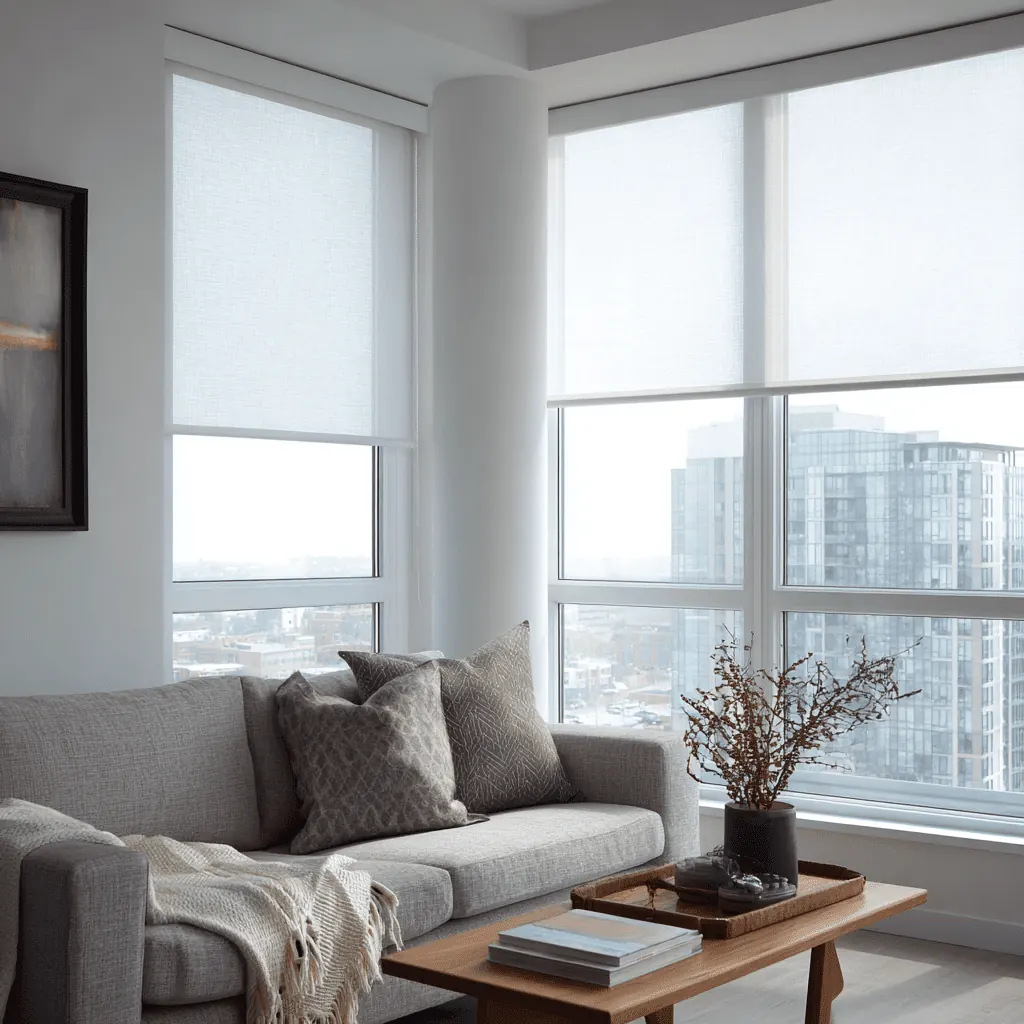
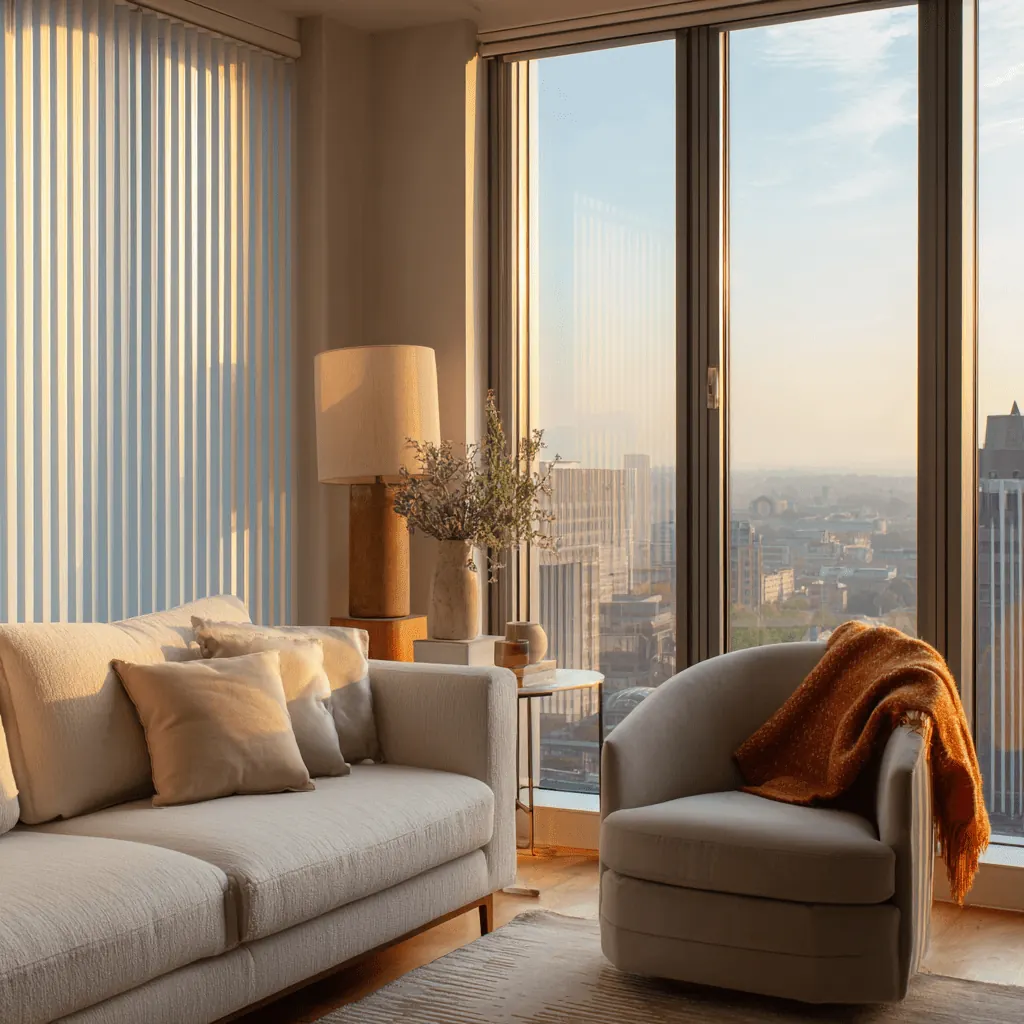
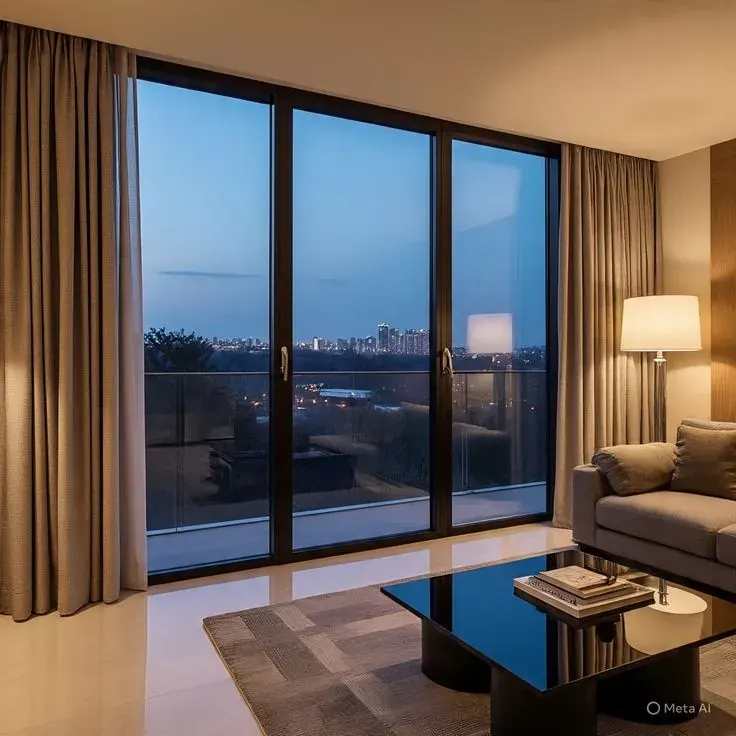
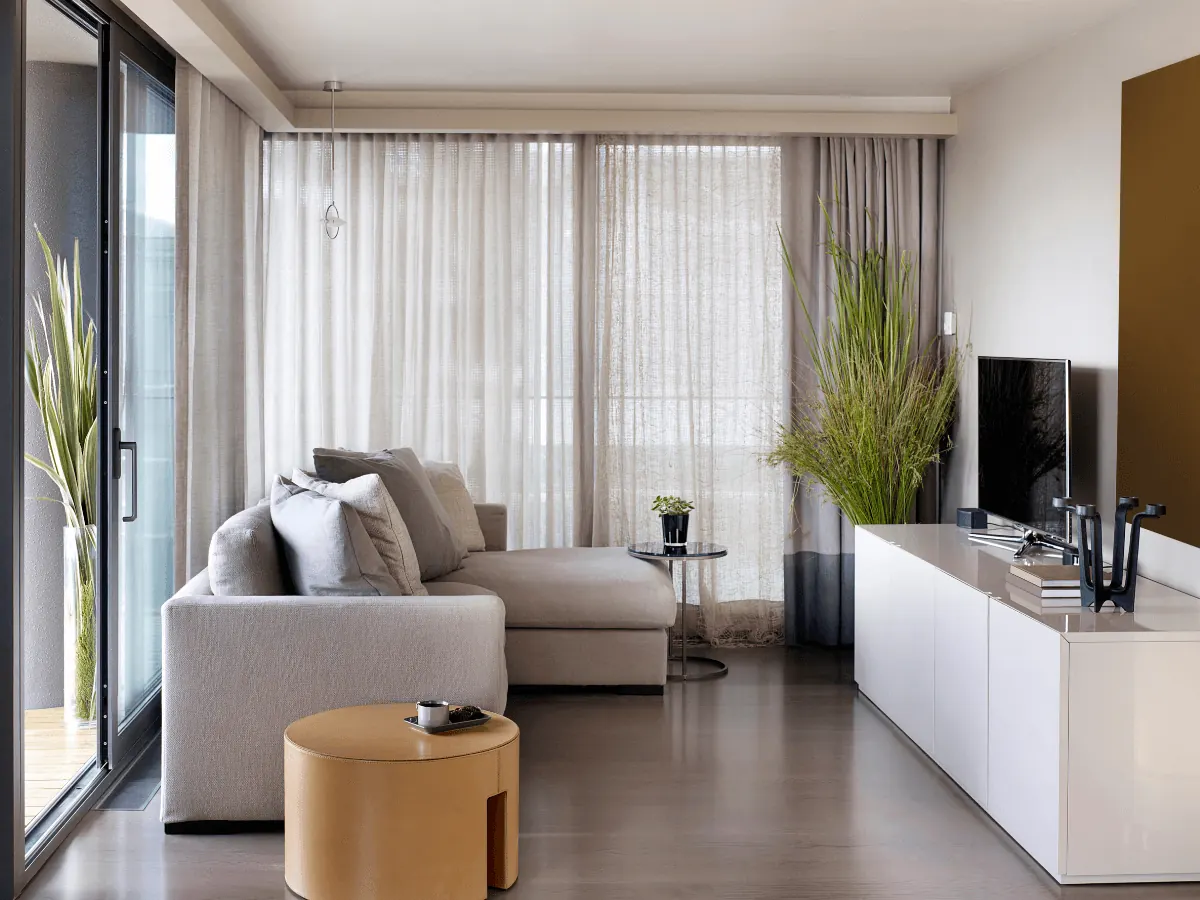
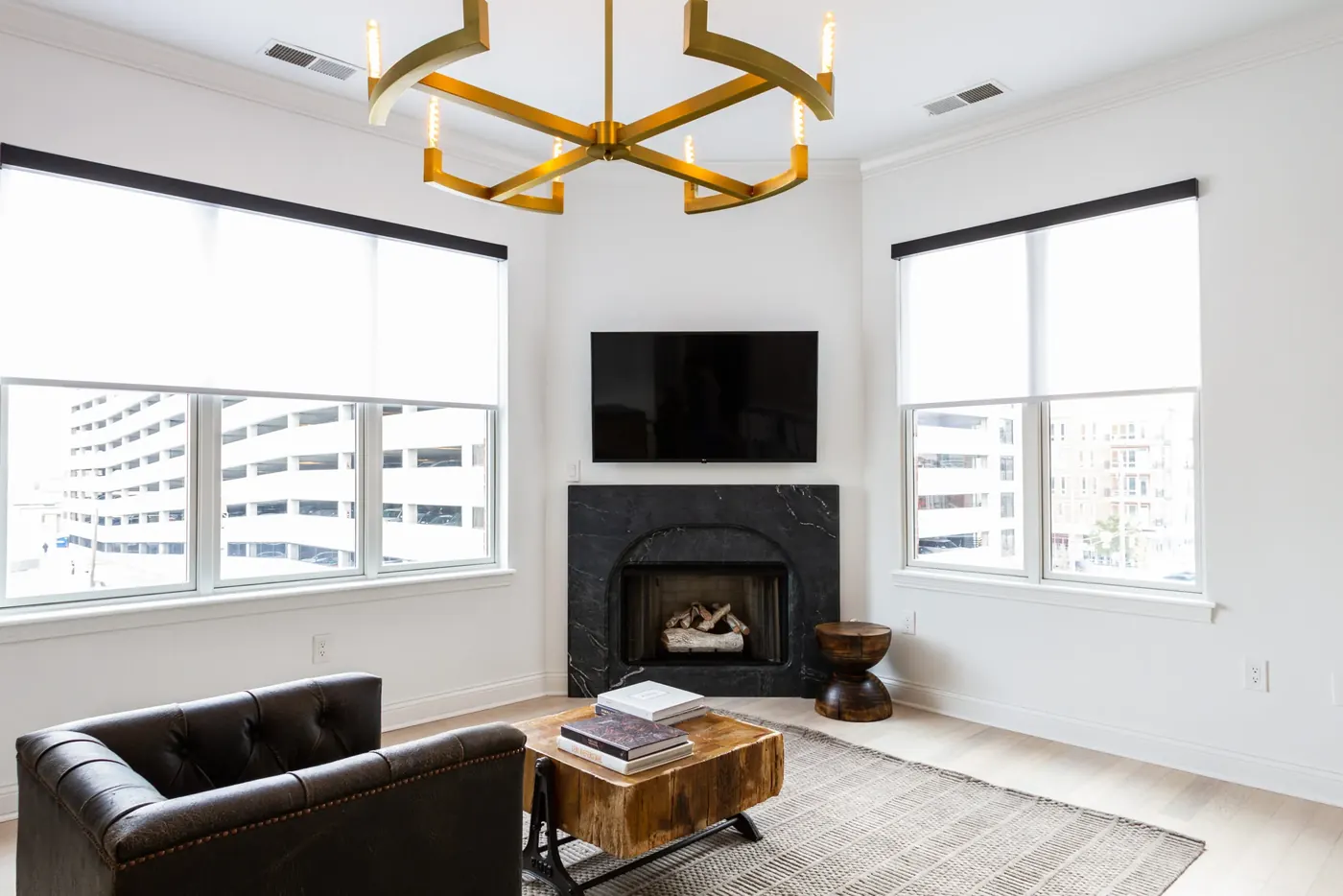
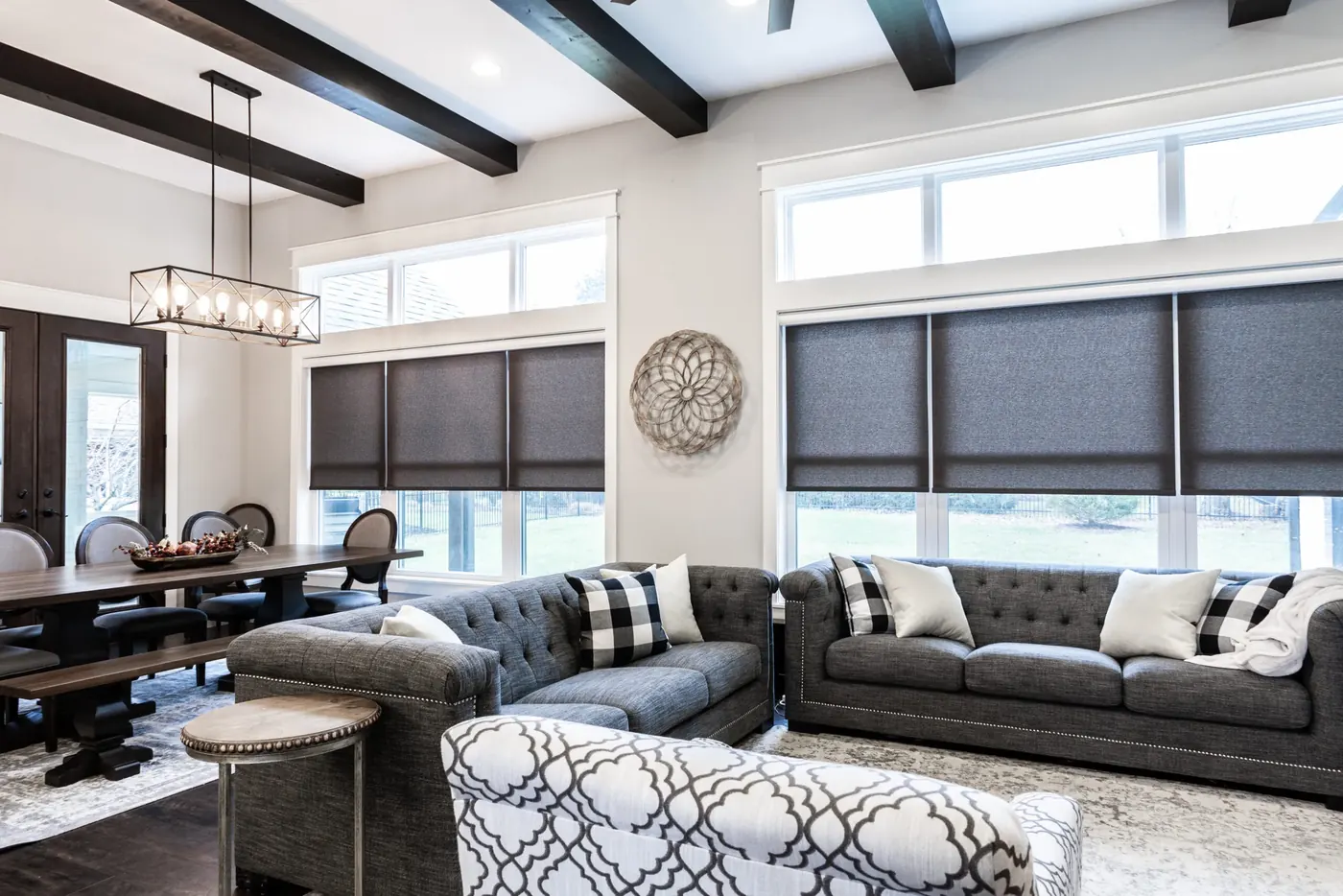
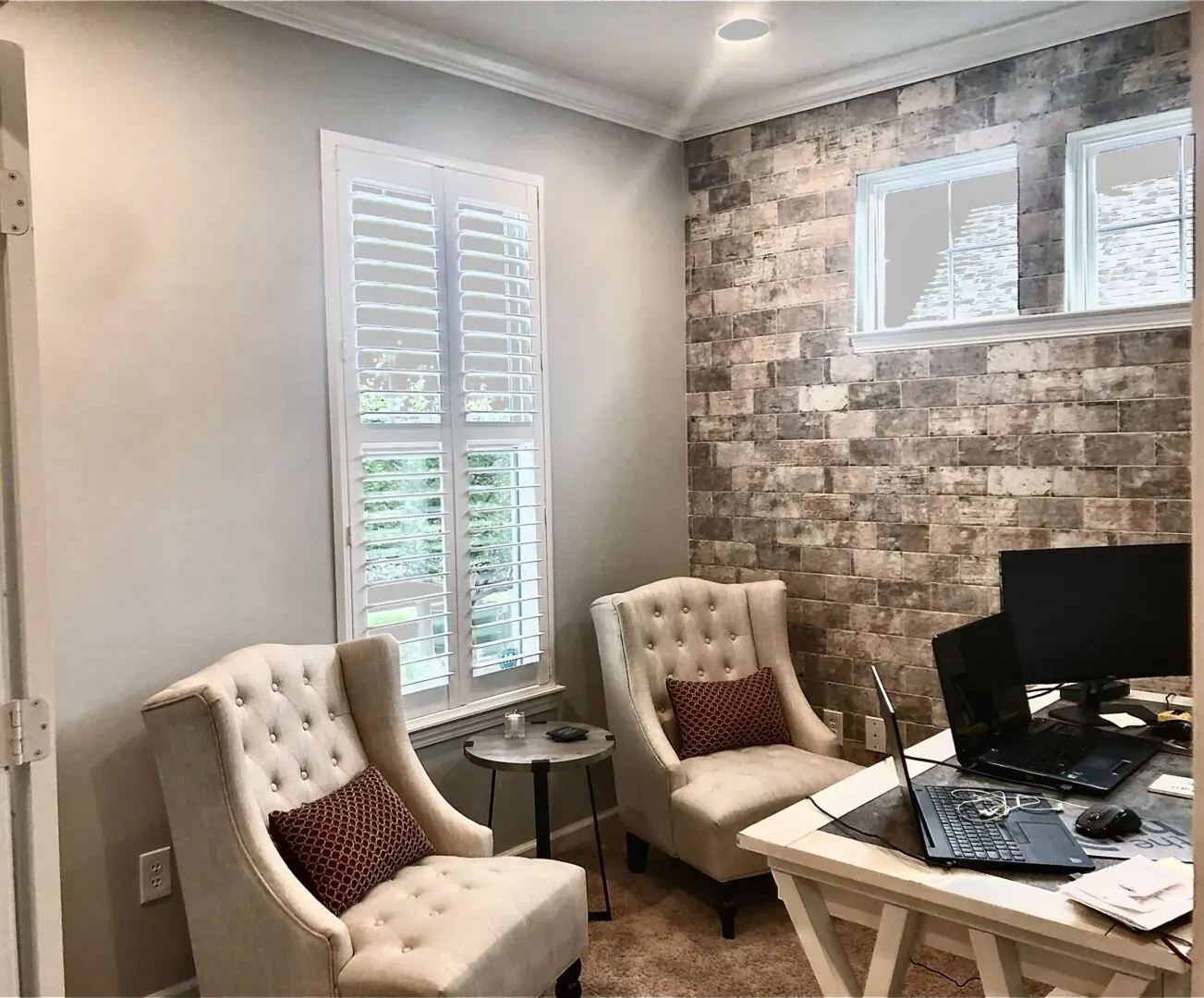
Window Treatment Systems Compared in Zionsville
Quick reference for the products we specify most often in these homes. Pricing reflects typical Zionsville installations.
Typical Zionsville market ranges as of 2026. The plus sign on upper numbers means your project may exceed the listed maximum based on inspection findings. Get a written scope and quote at no cost.
Expert Zionsville Window Treatment Crews Available Now
Tell us the address and the room that isn't working. We'll measure every opening properly, put the deviations and the light gaps in writing, and quote from what the house actually gives us.